
Break Communication Barriers: How Inclusive Technology and Makaton Empower Every Voice
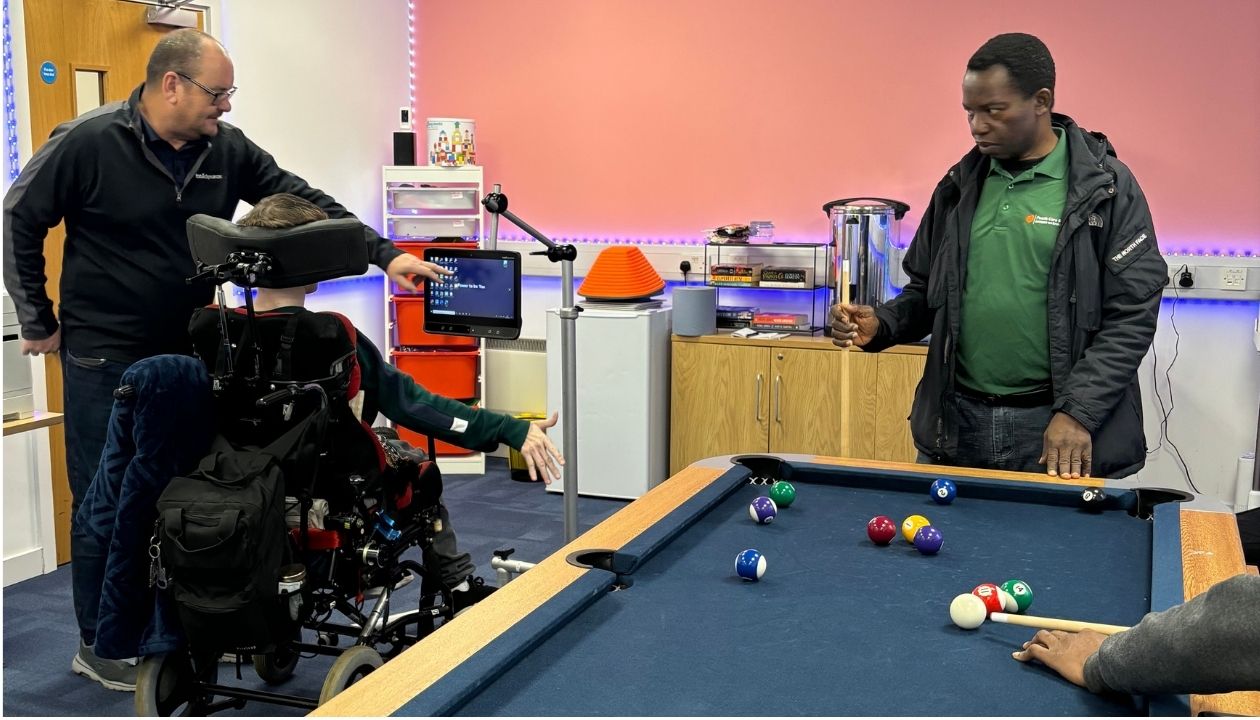
Discover how Peach Care Services is breaking communication barriers in Milton Keynes through Makaton and inclusive technology like Eye Gaze, empowering every individual to express themselves.
Home Care In Milton Keynes – About Peach Care Services
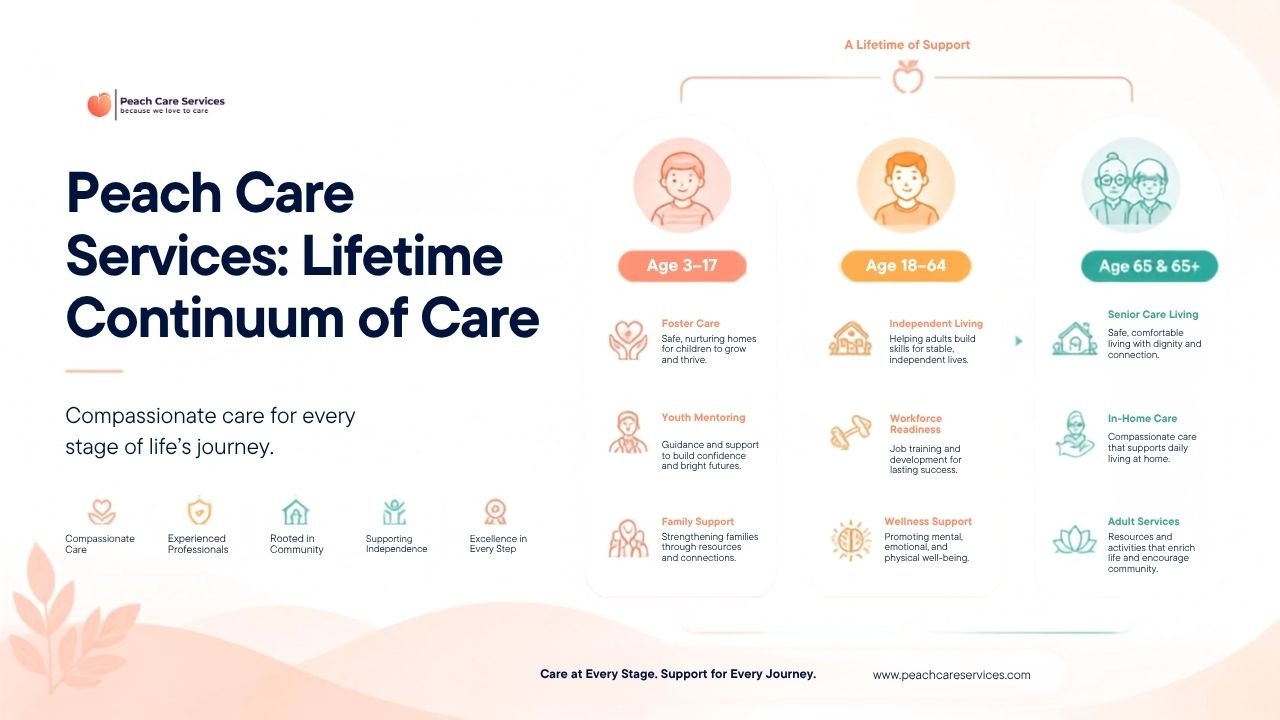
When a loved one requires extra support to live safely and independently, finding a care provider you can trust with complete confidence is one of the most important decisions you will ever make. Whether you are seeking gentle companionship for an aging parent, complex clinical support for a family member recovering from illness, specialist care for a young child with special educational needs and disabilities (SEND), or comprehensive supported living arrangements for vulnerable adults, the right care agency transforms lives. At Peach Care Services, based in Linford Wood, home care in Milton Keynes, we believe that care should always adapt to your life—never the other way around. Operating across Milton Keynes, Newport Pagnell, Bletchley, Stony Stratford, Olney, and the wider Buckinghamshire and Northamptonshire regions, we provide CQC-registered, award-winning home care and supported accommodation designed entirely around the individual. In this comprehensive guide, we invite you behind the scenes to explore our holistic approach to domiciliary and specialist care, our recent milestones, our client demographic (spanning ages 2 to 103), our dedicated team, our community commitments, and why families and staff alike rate us among the top care providers in the region. 1. Our Ethos & Philosophy: Person-Centred Care at Heart Care is not simply a service delivered according to a checklist; it is an ongoing relationship built on empathy, trust, dignity, and mutual respect. Our core philosophy is simple: to empower individuals to live safely, comfortably, and independently in their own homes or within supported community settings. Remaining in familiar surroundings surrounded by memories, pets, gardens, and neighbours significantly improves physical health, mental wellbeing, and emotional resilience. Moving into a residential care home or nursing facility is no longer the default option. With the correct level of visiting, live-in, or specialist support, individuals can flourish regardless of their health challenges. The Pillars of Peach Care Ethos: “Care starts with a well-supported team—by investing in highly trained, valued, and happy care staff, we ensure your loved ones consistently receive the compassionate care they deserve.” — Elvis Idegbekwu, Managing Director 2. A Lifetime Care Journey: Supporting Clients Aged 2 to 103 One of the defining features of Peach Care Services is the sheer breadth of our specialists and social care capability. We do not restrict our expertise to a single age group; instead, we offer a lifetime continuum of care. Our youngest client is just 2 years old, and our oldest client reached a remarkable 103 years of age. Supporting individuals across more than a century of life stages requires remarkable versatility, specialist skills, and deep emotional intelligence. Early Years & Children (Ages 2 to 17) Caring for toddlers, young children, and teenagers demands a tender, highly structured, and encouraging environment. We work closely with families, pediatric specialists, GPs, and educational bodies to support children with complex medical conditions, physical disabilities, and SEND (Special Educational Needs and Disabilities). We help young children participate in family life, build confidence, and engage in meaningful play and learning activities, offering much-needed respite for parents. Working-Age Adults (Ages 18 to 64) For younger adults navigating physical disabilities, brain injuries, learning disabilities, autism, or long-term mental health conditions, our focus is squarely on enabling active community participation and personal autonomy. Whether assisting with university studies, employment access, social outings, or personal care, our carers act as supportive partners in independence. Older Adults & Centenarians (Ages 65 to 103+) For our senior clients, our home care services offer a warm, dignified alternative to residential placement. From daily assistance with personal hygiene, nutritional support, and medication management to round-the-clock live-in care and end-of-life palliative support, we ensure our elderly clients live out their golden years in comfort, safety, and happiness. 3. Our Service Portfolio & Recent Tender Success Every care journey begins with a clean slate. We offer highly flexible arrangements tailored to the unique demands of each individual across Milton Keynes, Buckinghamshire and Northamptonshire. Milestone Achievement: Supported Living & Supported Accommodation Integrated Tender We are incredibly proud to announce that Peach Care Services was recently successful in securing the highly sought-after SUPPORTED LIVING & SUPPORTED ACCOMMODATION INTEGRATED tender. This monumental achievement allows us to expand our footprint in providing high-quality, safe, and empowering housing and support services. Through this integrated approach, we help vulnerable adults, care leavers, and individuals with complex mental health or learning disabilities transition into independent living. We provide the physical accommodation alongside the wraparound care required—be it visiting support or 24/7 on-site assistance—ensuring our tenants are safe, socially included, and equipped with essential life skills. Our Core Care Services: 4. The Expert Leadership Team at Peach Care Services At the heart of our exceptional home care services in Milton Keynes and Buckinghamshire is a highly qualified and deeply experienced leadership team. Our organisational structure is intentionally designed to ensure rigorous compliance, compassionate care delivery, and robust support for both our clients and our dedicated staff. Here is the structured team ensuring the highest standards of care at Peach Care Services: Executive Leadership Operational, Care, and HR Management Care Coordination Vanessa-Lea Hopper & Choice Godwin, Care Coordination Team: Operating under the direct guidance of our Registered Manager, Vanessa-Lea and Choice form the operational backbone of our daily care delivery. They meticulously manage scheduling, facilitate client and family communications, and ensure that our frontline care workers are perfectly matched to the unique needs of our clients throughout Milton Keynes and Buckinghamshire. 5. Real Voices: Outstanding Reviews from Clients & Families Our reputation on Homecare.co.uk—the UK’s leading care review website—reflects our relentless commitment to excellence. Here is what local families in Milton Keynes and Buckinghamshire have shared about their experience with Peach Care Services: “A Lifeline for Our 102-Year-Old Mother” “My 102-year-old mother received care over a ten-week period through December, January and part of February. The carers were exceptionally gentle, punctual, and respectful of her wishes. Knowing she was in such safe hands brought our entire family comfort during a challenging winter.” — Caroline W. (Daughter of Client) “Unmatched Trust for Early Years Pediatric Care”
Embracing Disability Pride Month: Celebrating Identity, Challenging Stigma, and Delivering Outstanding Care
Every July, a vibrant, powerful, and deeply necessary celebration takes place across the UK and the globe: Disability Pride Month. For many, the word “pride” brings to mind colourful parades and summer festivals. But Disability Pride is its own unique, distinct movement. It is an opportunity for the disabled community to come together, share their lived experiences, and boldly claim their space in a world that wasn’t always built for them. It is a celebration of resilience, creativity, and identity. Most importantly, it is a unified stand against the systemic barriers and negative attitudes that disabled people navigate every single day. Whether you are a disabled individual, a family member, a community ally, or a dedicated professional working within the UK care sector, Disability Pride Month is for you. In this comprehensive guide, we are going deep into what Disability Pride Month truly means. We will explore its fascinating history, decode the beautiful symbolism behind the Disability Pride Flag, and look closely at how the principles of this month align perfectly with UK government guidelines and the Care Quality Commission (CQC) standards. Crucially, we have also packed this guide with actionable, real-world advice for our brilliant care staff and readers on how to champion disability rights and person-centred care all year round. Grab a cup of tea, settle in, and let’s celebrate Disability Pride together! 1. What is Disability Pride Month? Disability Pride Month is an annual celebration held every July. To put it simply, it is a time for embracing disability identity positively. Historically, disability has been framed through a “medical model”—a viewpoint that suggests a person’s impairment is a ‘problem’ that needs to be fixed or cured. Disability Pride completely flips this narrative. It aligns closely with the Social Model of Disability, which states that people are disabled by societal barriers (like inaccessible buildings, lack of communication support, or prejudiced attitudes) rather than by their own bodies or minds. According to the UK disability charity Scope, Disability Pride is a chance to start vital conversations. It is not about glossing over the very real challenges and health conditions people face; rather, it is about acknowledging that disabled people have a rich, dynamic culture and a right to be proud of who they are. It is a time to amplify disabled voices and challenge the negative attitudes that hold disabled people back. Is it the same as LGBTQ+ Pride? A very common question is whether Disability Pride is the same as LGBTQ+ Pride. The short answer is no. Disability Pride is a separate celebration entirely, focused specifically on disability identity and rights. However, they do share some common DNA. Both movements are rooted in visibility, inclusion, and the fight to challenge harmful stereotypes. And, of course, many people identify as belonging to both communities, experiencing unique intersections of identity that deserve to be celebrated! 2. A Brief History: From Boston to Britain Understanding the roots of Disability Pride Month gives us a profound appreciation for how far the movement has come. The origins of the celebration trace back to Boston, USA, in 1990. This was a landmark year because it marked the passing of the Americans with Disabilities Act (ADA)—a monumental piece of civil rights legislation that prohibited discrimination based on disability. To celebrate this historic legal victory, the community held the very first Disability Pride Day in July 1990. Since then, the spark ignited in Boston has grown into a roaring global movement. Here in the UK, the incredible charity Scope has been proudly supporting the growth of Disability Pride Month since 2009. Over the last decade, we have seen the movement gain massive momentum across Britain. Today, you will see local councils, national businesses, community groups, and care providers across the country flying the flag and hosting events that celebrate the UK’s 16 million disabled people. 3. Why Does Disability Pride Matter So Much Today? You might wonder, with laws like the UK’s Equality Act 2010 in place, why do we still need a dedicated month for Disability Pride? The reality is that legislation alone does not change culture overnight. According to stark statistics shared by Scope, 3 in 4 disabled people say they have experienced negative attitudes or behaviour from others. These negative attitudes—often referred to as ableism—can manifest in many ways: Disability Pride matters because it drags these unfair treatments out into the light. It provides a platform to educate the public, break down harmful stereotypes, and remind society that disabled people are colleagues, parents, artists, leaders, and consumers who deserve equal access and respect. 4. Decoding the Disability Pride Flag If you have been scrolling through social media or walking through your local town centre this July, you have likely spotted a very striking, dark-coloured flag with brightly coloured diagonal or straight bands across it. This is the Disability Pride Flag. Originally designed by Ann Magill, a disabled woman, the flag is a masterpiece of symbolism. Every single colour and design choice has a specific, powerful meaning. (It is also worth noting that the disabled community recently updated the flag’s design. The original featured a zig-zag pattern, but it was redesigned with straight, muted bands to ensure it did not trigger migraines or seizures in visually sensitive people. Talk about a community practising what it preaches regarding accessibility!) Here is what the beautiful array of colours on the flag represents: The Colours of the Community: When we fly this flag, we are acknowledging the vast, incredibly diverse spectrum of what it means to be disabled. 5. Aligning Disability Pride with CQC Standards and UK Government Guidelines For those of us working in the UK care sector, Disability Pride Month isn’t just a nice addition to the calendar; it is the very essence of what we are trained to do. The core values of Disability Pride align seamlessly with the legal frameworks and regulatory standards that govern high-quality care in Britain. The Equality Act 2010 Under UK law, disability is one of the nine
How to Navigate a Loved One’s Changing Care Needs With Support: A Guide for Families in Milton Keynes

When someone close to us starts needing more support with everyday tasks, it rarely happens overnight. Instead, it often feels like a quiet, gradual shift. One day, everything seems fine, and then little clues begin to surface: missed meals, confusion about regular appointments, or your loved one simply seeming more exhausted than usual. These changes can be easy to brush off at first. As family members, we naturally want to believe everything is alright. We want to protect their independence and our own peace of mind. But over time, those small changes stick around and begin to multiply. That is when the worry sets in, and we start wondering what kind of help might be necessary for them—and sustainable for us. It is not always easy knowing when to step in or when to bring in professional support. That is exactly why understanding how professional care services work can help ease the burden of worry. Good home care is not about taking over a person’s life or stripping away their independence. It is about finding the right fit and providing tailored support that feels like a natural part of their day, rather than a disruption. At Peach Care Services, based right here in Milton Keynes, we believe that navigating these changes should not be a journey you take alone. This comprehensive guide will help you spot the signs that extra support is needed, navigate tricky conversations, and build a flexible care plan that protects your loved one’s dignity and your family’s well-being. Spotting the Signs: When Everyday Support Isn’t Enough We all want to help the people we love, especially when they have spent a lifetime taking care of us. But sometimes, despite our best efforts, small shifts start adding up, indicating that family support is no longer quite enough. Needing more help is not a failure. For many older adults, or those living with complex needs, the requirement for support grows little by little. Often, they will not point it out themselves out of pride or fear of becoming a burden. Recognising these signs with empathy and care makes all the difference. Here is a breakdown of what to look out for: The Physical Signs The Behavioural and Emotional Signs The Environmental Signs Normal Ageing vs. Time for Support Sign of Change Normal Ageing Sign Professional Care is Needed Memory Occasionally forgetting a name but remembering it later. Forgetting how to use familiar household appliances, getting lost in familiar places. Mobility Moving slightly slower or having stiff joints in the morning. Holding onto walls/furniture to walk; frequent unexplained falls. Housekeeping Letting a bit of dust settle or delaying a deep clean. Spoiled food in the fridge; extreme clutter creating trip hazards. Medication Occasionally forgetting a vitamin. Taking the wrong dosage of crucial medication, leaving pill boxes entirely full. If you are noticing several signs from the right-hand column, it is a strong indicator that introducing professional home care could significantly improve their safety and quality of life. The Emotional Toll on Families: Recognising Carer Burnout Before discussing how to help your loved one, it is vital to acknowledge your own position. Many families in Milton Keynes try to manage changing care needs entirely on their own. You might pop in before work to make them breakfast, use your lunch break to sort their medication, and spend your weekends cleaning their house. While done out of deep love, this routine is a fast track to carer burnout. When family members take on the role of primary caregivers, the dynamic changes. You transition from being a daughter, son, or spouse to being a project manager of their health. This can lead to exhaustion, resentment, and a breakdown in your relationship. Bringing in professional care is not “giving up” on your loved one. It is a proactive step that allows you to step back from the exhausting daily logistics and return to simply being their family. How to Talk About Care Needs With Your Loved One Bringing up the need for extra care is notoriously tricky. We do not want our loved ones to feel like they are losing their freedom or being managed. How we approach this conversation dictates how the care will be received. 1. Choose the Right Moment Do not start this conversation in the middle of a crisis, such as right after a fall or an argument. Choose a quiet, calm moment when you are both relaxed, perhaps over a cup of tea. 2. Focus on “We,” Not “You” Avoid accusatory language like, “You aren’t eating properly,” or “You need help.” Instead, frame it as a mutual concern. 3. Start Small You do not need to suggest full-time care immediately. Pitch it as a small, practical adjustment. 4. Emphasise Independence The biggest fear older adults have is being forced into a residential care home. Reassure them that domiciliary (home) care is designed specifically to keep them in their own home for as long as possible. Focus on what care could make easier, rather than what it might replace. 5. Give It Time If the first talk does not go far, that is perfectly okay. This kind of conversation rarely ends in immediate agreement; it needs space to sink in. Coming back to it gently over time shows that you care and that you are listening, not rushing or forcing a decision. Deciding What Kind of Help Feels Right No one has to go from doing everything themselves to needing full-time help overnight. When family, friends, and neighbours are stretched too thin, regular outside help can bring calm and structure back to the day. At Peach Care Services, we know that consistency is key. Small, steady care teams make these transitions far more comfortable. When the same familiar faces come by regularly, trust grows naturally. We offer a range of flexible services tailored to your family’s exact needs: Visiting Care (Domiciliary Care) This is the most common starting point. A dedicated care assistant visits the home at scheduled
A Standard of Excellence: Inside Peach Care’s Industry-Leading Staff Training Programme

When families are faced with the profound responsibility of selecting a provider, looking closely at the care staff training at Peach Care Milton Keynes is the best way to ensure absolute peace of mind. Entrusting a vulnerable family member to a care agency requires an immense leap of faith. Families need absolute assurance that the professionals delivering support are not only deeply compassionate but also exceptionally skilled, legally compliant, and clinically knowledgeable. At Peach Care, we understand that exceptional care does not happen by accident. It is the direct result of a relentless, uncompromising commitment to education. We believe that the quality of our person-centred support is fundamentally linked to the depth, breadth, and rigour of the training our staff receives. To guarantee this standard, we have developed a comprehensive, industry-leading training programme that every single staff member—from our newly joined Care Assistants to our Registered Manager—must successfully complete and continuously refresh. Our educational philosophy relies on a highly effective, blended learning approach. We combine the technological efficiency of Access e-learning, our bespoke internal Peach Pro Learning platform, and classroom-style practical training delivered in partnership with some of the UK’s top training providers. In this comprehensive guide, we detail the exhaustive training journey of Peach Care staff, demonstrating our unwavering commitment to safety, dignity, and clinical excellence in Milton Keynes and beyond. The Foundation: Robust Core Induction and the Care Certificate The educational journey of a Peach Care professional begins long before they are permitted to support their first client. All prospective employees must undergo stringent background checks, including a mandatory enhanced Disclosure and Barring Service (DBS) check. Once cleared, they do not simply shadow a colleague for a day; they embark on a mandatory, intensive three-day orientation programme. This initial classroom-style immersion is designed to instil Peach Care’s core values, operational policies, and rigorous care standards from day one. Following this orientation, staff enter a highly structured 12-week induction period. During this critical phase, they work comprehensively towards achieving the Care Certificate. The Care Certificate is a universally recognised set of standards within the UK health and social care sectors that clearly outlines the knowledge, skills, and behaviours expected of professional care workers. We are exceptionally proud to report a 100% completion rate for the Care Certificate among our staff within their first 12 weeks of employment. However, induction at Peach Care is never purely theoretical. New recruits are subject to strict, ongoing competency assessments in the field. They are regularly shadowed and closely supervised by senior staff members and team leaders in real-world care settings. This hands-on supervision ensures that they can seamlessly translate classroom and eLearning knowledge into practical, compassionate, and safe care routines. Only when a staff member is officially assessed and signed off as fully competent are they permitted to work independently. A Blended Approach: Access e-Learning, Peach Pro, and Practical Application To effectively manage and monitor our massive educational undertaking, Peach Care utilises The Access Group’s sophisticated eLearning management platform alongside our proprietary Peach Pro Learning system. Behind the scenes, we maintain an exhaustive internal training matrix that meticulously tracks the compliance status, completion history, and renewal dates for every team member. This matrix monitors compliance across 27 distinct mandatory modules. Crucially, this tracking applies unilaterally across the organisation. Frontline Care Assistants and leadership figures alike—including our Registered Manager, Ann Collins, who brings over 30 years of clinical experience to the role—are held to the exact same rigorous educational standards. Our mandatory modules cover a wide range of topics critical to safe and effective care. Our blended approach ensures that theory is always backed by practical capability. Core training areas where 100% of our staff are currently trained include: In-House Expertise: Moving & Handling and PMVA One of the most significant differentiators in Peach Care’s training programme is our investment in in-house, dedicated expert trainers. Rather than outsourcing all physical and behavioural training to third-party providers, we maintain our own team of certified experts. Moving and Handling Experts Assisting a client with their mobility—whether transferring from a bed to a wheelchair or supporting them in the bathroom—requires precise, biomechanically sound techniques. Incorrect methods can cause severe injury to both the client and the carer. Peach Care proudly employs two dedicated Moving and Handling Trainers within our team. These experts provide classroom-style practical training and conduct on-site competency assessments, ensuring that 100% of our staff are rigorously trained in safe physical assistance techniques. Prevention and Management of Violence and Aggression (PMVA) For staff supporting clients with complex emotional, cognitive, or behavioural needs, enhanced training is an absolute mandate. We are uniquely positioned by having two certified PMVA Trainers on our team. Because we have these experts in-house, we can dynamically and routinely train our staff in advanced De-escalation strategies, Approved Restraint Techniques, and positive risk-taking. We boast a 100% staff compliance rate in Accredited Physical Intervention, which is refreshed annually. Having PMVA trainers embedded in our team means our staff receive training that is not just theoretical but deeply contextualised to the clients they support every day, ensuring physical safety and strict compliance with care regulations. Legal, Regulatory, and Safeguarding Protocols A cornerstone of our training programme involves deep-diving into the complex legal and regulatory frameworks designed to protect vulnerable individuals in the community. Our staff are comprehensively trained on the Care Act 2014, providing them with a robust overview of their legal duties. Furthermore, client privacy is strongly prioritised through mandatory General Data Protection Regulation (GDPR) training, ensuring confidentiality is maintained at all times. Safeguarding remains a non-negotiable priority at Peach Care. We currently maintain a 100% compliance rate in Safeguarding Adults, a certification that must be refreshed yearly. Staff are meticulously trained to recognise the subtle signs of physical, emotional, financial, or institutional abuse and neglect, and are fully versed in our internal Whistleblowing policies. To complement this, staff complete specialised training on the Mental Capacity Act (MCA) and Deprivation of Liberty Safeguards (DoLS). This vital education ensures that every care decision
Navigating Dementia Care in Milton Keynes
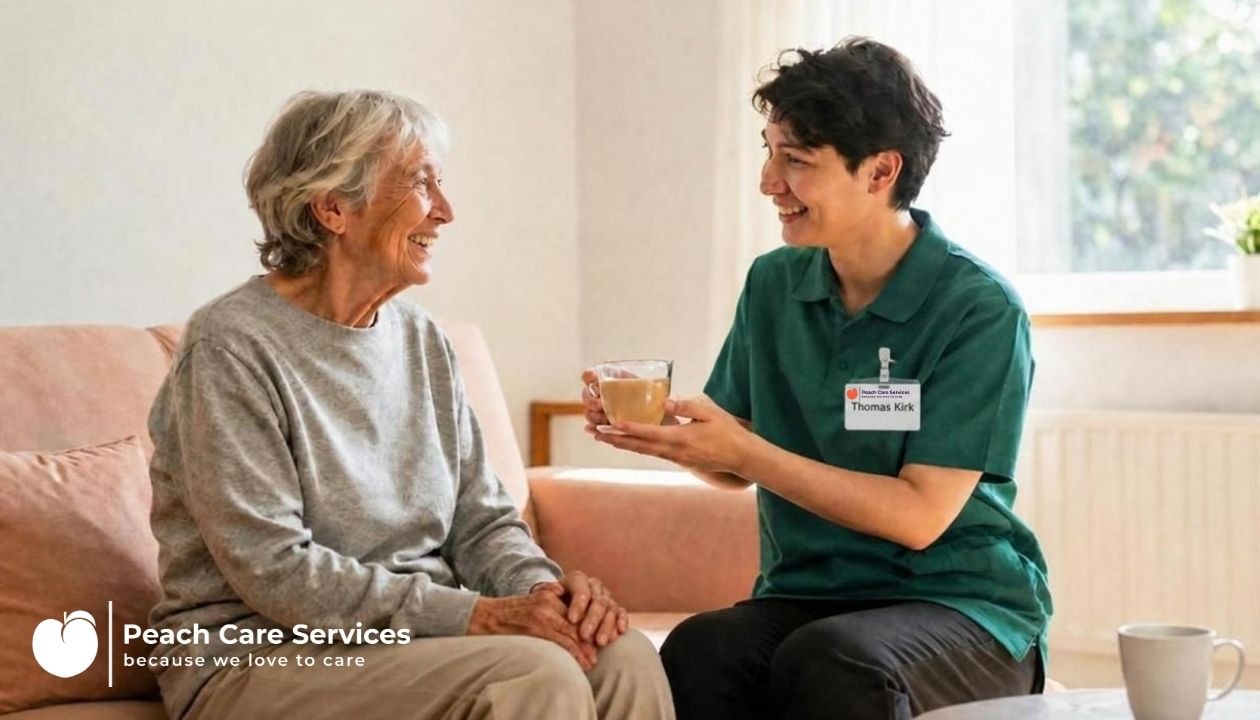
As a trusted local team providing compassionate dementia care in Milton Keynes, we know how overwhelming a diagnosis can feel, which is why we created this guide to offer families reassurance and clarity. A dementia diagnosis can feel like a heavy raincloud settling over your family’s plans. It is a moment that brings a whirlwind of questions, a fair bit of worry, and an immediate need to figure out the “new normal.” But here is the most important thing to know right from the start: you are absolutely not navigating this journey alone. While dementia changes the way a person interacts with the world, it does not change who they are at their core. With the right support, plenty of patience, and a healthy dose of British humour to get through the wobbly days, people living with dementia can continue to lead lives filled with joy, comfort, and dignity. Whether you are just starting to notice signs in a loved one or actively seeking a top-tier care agency in Milton Keynes to provide daily support, this guide is designed to empower you. We have packed it with reassuring facts, practical everyday tips, and the latest insights from the NHS and UK government to help you face the future with confidence. The Big Picture: You Are Part of a Massive Community If you ever feel isolated by a diagnosis, it is incredibly helpful to look at the numbers. More than 900,000 people are believed to be living with dementia in the UK. This number is projected to reach 1.4 million by 2040. Because dementia touches so many lives, the UK has developed some of the most robust support networks, research programmes, and care frameworks in the world. The national conversation around dementia is changing rapidly, and the stigma of the past is fading. Instead of focusing solely on what is lost, modern dementia care is entirely focused on what can be maintained, celebrated, and enjoyed. The Government’s Vision: Care on Your Doorstep One of the most reassuring developments for families is the UK government’s recent shift in how healthcare and social care are delivered. If the thought of residential care homes fills you with dread, you will be pleased to know that the national strategy is moving firmly in the opposite direction. In the recently announced Fit for the Future: The 10 Year Health Plan for England, the government outlined a fundamental shift in how the NHS works: moving care away from hospitals and into the community. The overarching goal is to ensure more care is available on your doorstep and from the comfort of your own home. This aligns perfectly with what dementia experts have known for years: people living with memory-loss conditions thrive best in familiar environments. Being surrounded by their own furniture, their favourite garden view, and their own routines massively reduces anxiety and confusion. The government is also looking to the future of treatments. Through the Dame Barbara Windsor Dementia Goals programme, the intention is to establish a public-private partnership to accelerate the development and implementation of new dementia therapies. We are entering an era where innovation meets compassionate community care. What Does “Outstanding” Dementia Care in Milton Keynes Actually Look Like? If you are stepping into the world of professional care, you will hear the phrase “person-centred care” quite a bit. The Care Quality Commission (CQC)—the independent regulator of health and social care in England—looks for this specific approach when inspecting and rating care providers. But what does person-centred care actually mean in practice? 1. Treating the Person, Not the Diagnosis Exceptional care does not treat a client as “a dementia patient.” It treats them as Arthur, who loves a strong cup of Earl Grey, supports Arsenal, and used to be a carpenter. A great carer uses a person’s life history to build a connection and tailor their daily routine. 2. Focus on Independence Good care is not about doing everything for the person. It is about doing things with them. If someone can still button their shirt, but it takes ten minutes, an outstanding carer will chat with them for those ten minutes rather than taking over and doing it for them. Preserving these small skills is vital for self-esteem. 3. Flexibility and Adaptability Dementia is unpredictable. A routine that worked flawlessly on Tuesday might cause distress on Wednesday. Top-tier domiciliary care is highly adaptable. If a client is refusing a shower because the sound of running water is suddenly frightening, a skilled carer will pivot, perhaps offering a gentle strip wash while playing their favourite classical music. The Tech Revolution for Family Carers Juggling work, personal life, and caring responsibilities is notoriously tough. Thankfully, the UK is increasingly leveraging technology to make the logistical side of caregiving easier. The government’s Fit for the Future: 10 Year Health Plan for England places a heavy emphasis on moving the NHS from analogue to digital. A major part of this digital transformation is the expansion of the official NHS App. One of the most exciting developments for families is the introduction of a built-in feature called ‘My Carer’. Rather than spending hours on hold with the local GP surgery, the ‘My Carer’ function is designed to allow unpaid carers to securely prove their identity as a carer. Once registered, it gives you proxy access to manage your loved one’s health affairs directly through the app. This means you will be able to book and manage appointments, check prescriptions, and communicate directly with their clinical care team, all from your smartphone. Practical, Everyday Magic: Tips for the Home While the government works on 10-year plans and digital apps, you need strategies that work in your living room right now. Here are some highly effective, easy-to-implement tips for making your home a dementia-friendly sanctuary: Planning for the Future It is a simple truth that the cost of care is a major concern for families. The total cost of care for people with dementia in the UK is £34.7
Welcome to the Peach Care Services Newsletter, May 2026!

Highlights from our Newsletter May 2026 In this month’s edition, we are thrilled to announce our new official partnership with the fantastic local charity, Harry’s Rainbow. Inside, you can read all about our HR Manager Stephanie’s brave firewalk fundraiser to kick off our support. We also reflect on Mental Health Awareness Week, exploring the deep connection between compassion, self-care, and community wellbeing. For our care teams and families, we feature a profound article by Ann Collins on the critical difference between being physically “safe” and emotionally “feeling safe”—especially when supporting children with Autism and ADHD. We also encourage everyone to explore the 10 Days of Happiness program by Action for Happiness. Plus, in this issue: Read the full Newsletter below for all the latest updates, helpful tips, and Peach Care news!
The Reality of Multiple Sclerosis: Why Dynamic Home Care is the Key to Independence
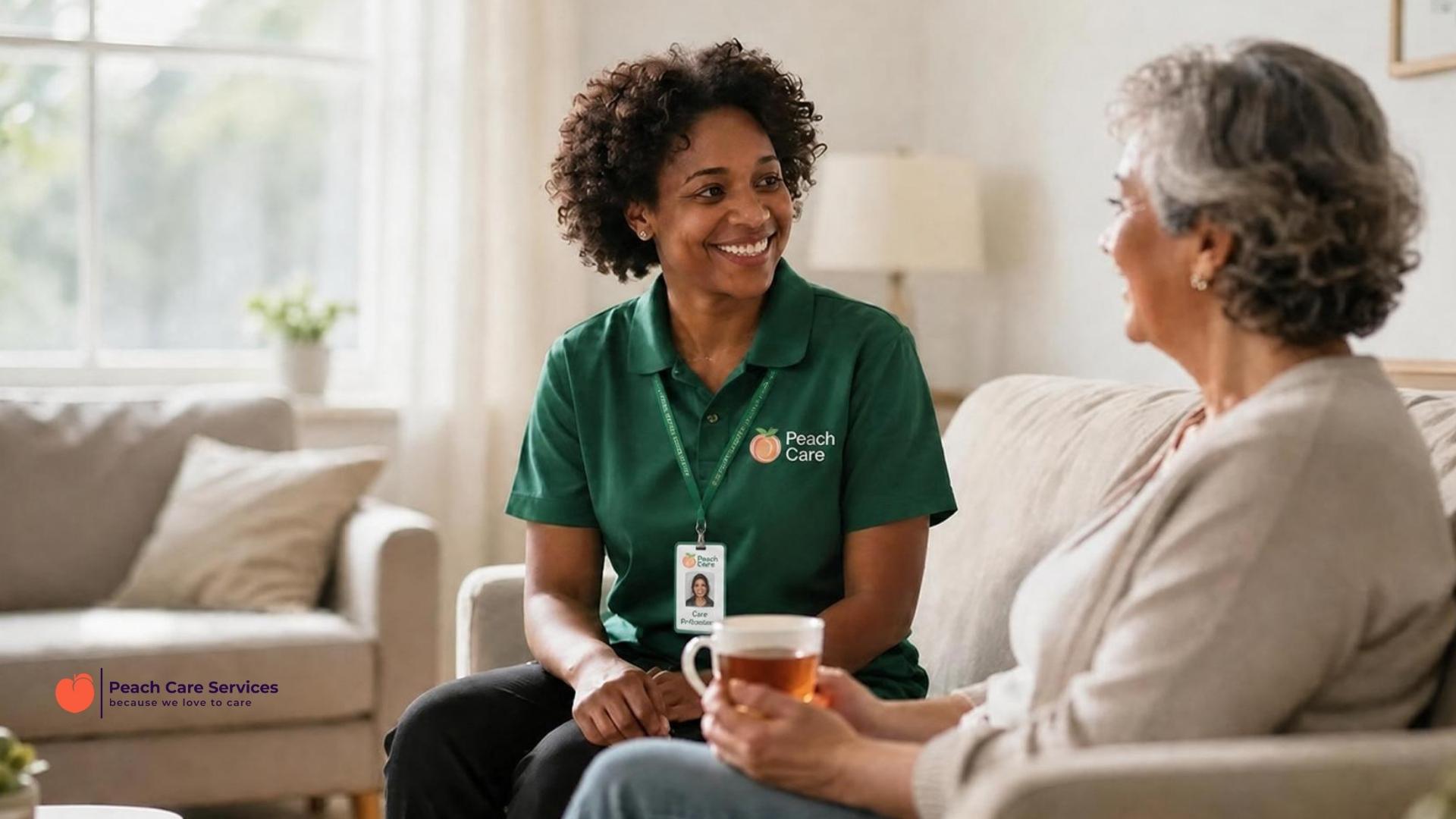
Introduction: Understanding the Scale of MS in the UK Multiple Sclerosis (MS) is a complex, lifelong neurological condition that affects the brain and spinal cord. To successfully raise awareness, it is vital to understand the true scale of the condition and the need for dedicated MS home care services across Buckinghamshire. To successfully create awareness, it is vital to understand the true scale of the condition and the need for dedicated MS home care Buckinghamshire wide. National Multiple Sclerosis Society U.K. Report reveals that more than 130,000 people are currently living with MS across the U.K. Furthermore, approximately 7,000 individuals receive a new MS diagnosis within the country each year. Worldwide, the condition affects over 2.9 million people. For families navigating a new diagnosis in Milton Keynes and Buckinghamshire, the immediate future can feel daunting. MS is not a straightforward condition; it is defined by its profound unpredictability. Symptoms can fluctuate wildly from one day to the next, making rigid, static care plans wholly ineffective. At Peach Care Services, we understand that supporting an adult with MS requires a highly dynamic, responsive approach to domiciliary care—one that scales up or down based entirely on the client’s “good” and “bad” days. The Unpredictable Nature of Multiple Sclerosis To provide effective care, we must first understand the clinical reality of MS. The most common form of the condition is relapsing-remitting MS (RRMS), which affects about 85% of all people with MS at the time of diagnosis. This form of MS is characterised by clear attacks (relapses) of new or increasing neurological symptoms, followed by periods of partial or complete recovery (remissions). Even during remission, daily life can be highly variable. A person living with MS may wake up on a Tuesday feeling energised, independent, and fully capable of managing their personal routine. By Thursday, they may experience crushing fatigue, severe mobility restrictions, or cognitive fog. Fatigue, in particular, is an extremely common and complex problem in MS, and generic advice from a non-specialist can lead to a worsening of symptoms. The National Institute for Health and Care Excellence (NICE) acknowledges that people with MS face a variety of symptoms and disabilities that arise unpredictably and change over time. Because their physical, emotional, and social needs require timely and coordinated action, a rigid, institutional approach to care frequently fails them. Why Residential Care is Rarely the Answer for MS When an adult’s MS symptoms escalate, families often panic and consider residential care homes. However, a care home environment operates on strict schedules: set meal times, set bathing times, and set activity rotas. For an individual with MS, this rigidity is counterproductive. If a resident has a “good day” and wants to cook their own breakfast or walk into the garden, institutional safety protocols often prevent them from exercising that independence. Conversely, on a “bad day,” the stretched staffing levels in a residential facility may mean they cannot receive the immediate, one-to-one assistance required to manage a sudden symptom flare-up or severe fatigue. The Care Quality Commission (CQC) places significant emphasis on care being “Responsive”. Institutional environments often struggle to adapt dynamically to the rapidly shifting needs of an MS patient, leading to a loss of dignity and autonomy. The Peach Care Solution: Dynamic MS Home Care Buckinghamshire At Peach Care Services, we champion a radically different approach to MS management: dynamic domiciliary care. By keeping the individual in the comfort of their own home in Buckinghamshire or Milton Keynes, we can tailor our support to match the exact requirements of their day. Scaling Up on the “Bad Days” When a client is experiencing an MS relapse or a day of profound fatigue, our highly trained carers step up. This intensive support can include: Stepping Back on the “Good Days” Crucially, when a client is having a good day, our carers know how to step back. Responsive care means empowering the individual. If they want to prepare their own lunch, our carers will simply supervise and assist only where necessary. We actively encourage physical activity and independence, which aligns with clinical guidelines to maintain mobility and lifestyle wellness. Aligning with CQC and NICE Guidelines Our dynamic care model is not just a philosophy; it is deeply rooted in national regulatory standards. CQC’s Responsive Assessment Framework The CQC’s assessment framework demands that care is “Responsive to people’s needs”. The CQC states that people must be at the centre of their care and treatment choices, and that services must respond in partnership with them to any relevant changes in their needs. Care plans must fully reflect an individual’s physical, mental, emotional, and social needs. At Peach Care, our care plans are never static documents; they are living frameworks that are constantly reviewed and adjusted, satisfying the CQC’s requirement that services adapt as people’s needs or circumstances change. NICE Guidelines for MS Management NICE guidelines (NG220) emphasise the importance of coordinated care and a multidisciplinary team (MDT) approach. We act as the vital bridge between the client and their NHS MS specialist nurses, physiotherapists, and occupational therapists. By maintaining a consistent, daily presence, our carers are uniquely positioned to spot the early warning signs of an MS relapse or an impending infection, facilitating rapid access for the assessment of changes in a patient’s condition. The Psychological Value of Home The impact of MS is not solely physical. People with MS have an increased risk of developing chronic health conditions, including depression and anxiety. Retaining control over one’s environment is a powerful tool in protecting mental health. By remaining at home, individuals with MS keep their pets, their local community connections, and their familiar routines. They are not defined by their illness in a clinical ward; they remain the master of their own house. Conclusion: Partnering with Peach Care Services Living with Multiple Sclerosis in Milton Keynes or Buckinghamshire does not mean surrendering your independence. With the right dynamic, responsive domiciliary care, you or your loved one can navigate the unpredictability of MS safely and with dignity. At
Navigating Safe Care: A Complete Guide to Quality Support for Children and Adults in the UK

When you are looking for support for a loved one—whether it is an elderly parent requiring assistance at home or a child with complex needs—the very first question you ask is usually the most important: “Will they be safe?” At Peach Care Services, we understand that inviting a care professional into your home requires immense trust. Safe care is not just about preventing harm; it is about creating an environment where individuals feel secure, respected, and empowered to live their best lives. In this guide, we are exploring exactly what “safe care” means in the UK today. We will break down the latest guidelines from the Care Quality Commission (CQC), Ofsted, and UK legislation to help you understand the rigorous standards that high-quality care providers follow to protect both adults and children. What Exactly is “Safe Care”? In the UK care sector, “safe care” is a clearly defined regulatory standard. The Care Quality Commission (CQC)—the independent regulator of health and social care in England—places safety at the very heart of its inspection framework. Recently, the CQC transitioned to a new Single Assessment Framework, designed to make care regulation more flexible, transparent, and focused on people’s lived experiences. Under this framework, safe care means that a provider actively protects service users from abuse, avoidable harm, and discrimination. However, genuine safe care goes far beyond a checklist. It involves: A truly safe care provider does not just react to problems; they anticipate risks and mitigate them before they ever occur. Safeguarding Adults: Independence with Protection When providing domiciliary care for adults, safety must always be balanced with the individual’s right to independence and personal choice. The foundation of adult safeguarding in the UK is the Care Act 2014, which sets out the legal framework for how local authorities and care providers must protect adults at risk. The Care Act is built upon six fundamental principles of safeguarding, which every professional carer must weave into their daily practice: Under the latest CQC guidelines, safe adult care also requires meticulous medication management and robust incident reporting. If an error occurs, an outstanding provider embraces a “duty of candour,” meaning they are entirely open, honest, and proactive in communicating with the family and regulators. Protecting Our Most Vulnerable: Safe Care for Children Providing care for children—especially those with complex health needs—requires a highly specialised approach. The legislative landscape here is governed by the Children Act 1989 and 2004, alongside the government’s statutory guidance, “Working Together to Safeguard Children“ (which saw significant updates in late 2023 to improve multi-agency working). For services that look after children, regulations from both the CQC and Ofsted (depending on the exact nature of the care and education provided) require exceptional vigilance. Safe childcare at home involves several critical layers: Multi-Agency Safeguarding: Safe childcare is a team effort. Providers must work seamlessly with local safeguarding children partnerships (LSCPs), social workers, and schools to ensure the child is protected in every aspect of their life. The Pillars of a Safe Care Culture How does a provider like Peach Care Services guarantee that these stringent UK laws and guidelines are met every single day? It comes down to building a non-negotiable culture of safety. 1. Rigorous Recruitment and Vetting Safe care begins long before a professional enters your home. Outstanding providers conduct exhaustive background checks, verify professional references, and assess emotional intelligence during interviews. We don’t just look for qualifications; we look for character, empathy, and integrity. 2. Continuous, High-Level Training The landscape of health and social care is always evolving. Through our dedicated training wing, we ensure that every team member receives training far beyond the minimum required. From advanced paediatric first aid to the latest moving and handling techniques, continuous education is the bedrock of safe, effective care. 3. A Culture of Speaking Up The CQC highlights that the safest care environments are those where staff feel completely comfortable raising concerns. A “whistleblowing” culture—where carers are actively encouraged to report near-misses or suggest improvements without fear of reprimand—is essential for continuous improvement. Empowering Families: What to Look For If you are currently navigating the care system for a loved one, you have the right to demand absolute transparency regarding safety. When interviewing a potential domiciliary care provider, consider asking these questions: A Commitment You Can Trust Navigating care regulations, CQC standards, and safeguarding acts can feel overwhelming for families. But you do not have to understand every piece of legislation—that is our job. At Peach Care Services, our commitment to safe care is woven into the fabric of everything we do. Whether we are supporting an adult to maintain their independence or providing specialised, joyful care for a child with complex needs, your family’s safety, dignity, and wellbeing are our ultimate priorities. If you would like to discuss how we can safely support your family in Milton Keynes and the surrounding areas, please get in touch with our friendly team today.
Stepping Up for Bereaved Children: Peach Care Services Proudly Partners with Harry’s Rainbow
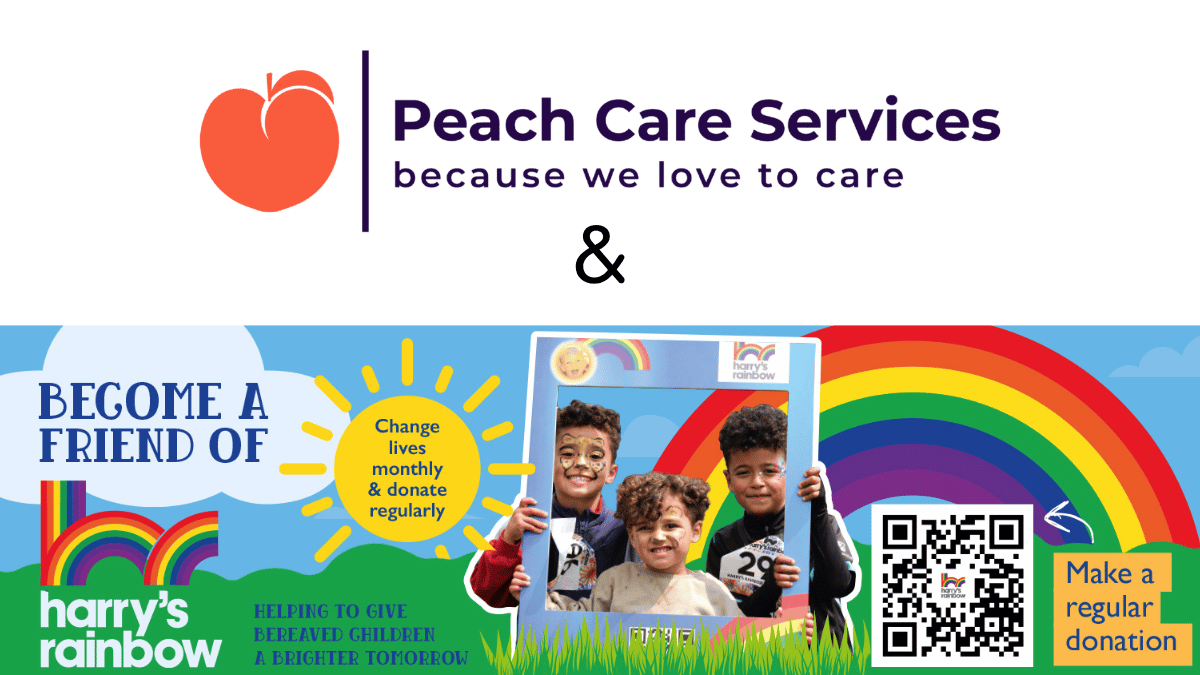
At Peach Care Services, our commitment to the Milton Keynes community extends far beyond the exceptional domiciliary care we provide to our service users. We believe in nurturing the holistic well-being of our entire community, particularly its most vulnerable members. Today, we are incredibly proud to announce our official partnership with Harry’s Rainbow, an outstanding local charity dedicated to supporting children and young people who have been bereaved of a parent or sibling. To mark the launch of this vital partnership, Stephanie Newell, our HR Manager and Children Lead, is taking on an extraordinary challenge today: the Harry’s Rainbow Firewalk! As she bravely steps across the hot coals, she is raising vital funds and awareness for a cause that is deeply aligned with our core values. Who Are Harry’s Rainbow? Founded in Milton Keynes, Harry’s Rainbow is a beacon of hope for families navigating unimaginable loss. Odette Mould and her family established the charity following the tragic loss of her five-year-old son, Harry. Recognising a profound lack of tailored support for Harry’s twin sister, the family channelled their grief into creating a dedicated service for bereaved children. Today, Harry’s Rainbow provides a crucial lifeline to children across Milton Keynes and the surrounding areas. They offer regular support groups, activities, trips, and bespoke resources that give children the opportunity to meet others who have experienced similar losses. In a world that can suddenly feel incredibly isolating, Harry’s Rainbow provides a safe, nurturing space where children can smile, play, and process their grief alongside peers who truly understand. The Critical Impact of Childhood Bereavement To understand exactly why we have chosen to support Harry’s Rainbow, it is essential to look at the broader landscape of children’s mental health and social care in the UK. According to national data, it is estimated that 1 in 29 school-age children in the UK has been bereaved of a parent or sibling. That equates to roughly one child per classroom. The profound impact of such a loss cannot be overstated. The Department for Education (DfE) and Ofsted have increasingly highlighted the intrinsic link between a child’s emotional well-being and their long-term development. Under Ofsted’s current Education Inspection Framework (EIF), there is a rigorous emphasis on “Personal Development” and pastoral care. Inspectors actively look at how institutions support their most vulnerable children—including those dealing with severe trauma and bereavement—ensuring they are given the emotional tools required to thrive. When a child loses a primary caregiver or a sibling, their entire foundation is shaken. Without early, targeted intervention and compassionate support, these children are statistically at a much higher risk of developing long-term mental health challenges, struggling with educational attainment, and experiencing severe anxiety. Charities like Harry’s Rainbow step directly into this gap. They provide highly specialised, person-centred emotional support that government-funded services and local authorities often struggle to deliver promptly due to resource constraints. Why Peach Care Chose Harry’s Rainbow As a CQC-regulated care provider, we weave empathy, dignity, and safeguarding into everything we do. Our services encompass both children and adults. Our ethos has always been to protect and nurture the family unit as a whole. The decision to choose Harry’s Rainbow as our official children’s charity was proudly championed by our Managing Director, Elvis Idegbekwu. To drive this initiative forward, Elvis chose Stephanie Newell, our HR Manager and Children Lead, to officially lead the charge in supporting the charity. In her role, Stephanie is fiercely dedicated to safeguarding, developing, and promoting the well-being of the younger members of our Peach Care family. Stephanie recognises that excellent care is holistic. By supporting Harry’s Rainbow, Peach Care Services is actively investing in the mental health and emotional resilience of the next generation in Milton Keynes. We want to ensure that no child in our local community has to walk the dark, complex path of grief alone. Cheering on Stephanie’s Firewalk! Partnering with a charity is about much more than just making a statement; it requires action. That is why Stephanie is leading by example today. Taking part in a Firewalk requires immense focus, courage, and a willingness to step entirely out of one’s comfort zone—qualities that the bereaved children supported by Harry’s Rainbow have to draw upon every single day. As Stephanie takes on the coals today, the entire management and care team at Peach Care Services is standing behind her, cheering her on. Her bravery officially ignites our ongoing commitment to fundraising, volunteering, and advocating for this phenomenal charity over the coming year. How You Can Support We are incredibly proud of Stephanie and absolutely delighted to stand alongside Harry’s Rainbow. But we cannot make a substantial difference without the support of our wonderful Milton Keynes community. If you would like to support Stephanie’s brave Firewalk and contribute to a charity that changes children’s lives, please consider making a donation. Every single pound raised goes directly towards funding memory boxes, therapeutic support groups, and vital family trips that bring light back into the lives of bereaved children. Click here to visit Stephanie’s JustGiving Page and make a donation! Together, we can help ensure that when the worst happens, the children of Milton Keynes have a rainbow of support waiting for them.