
When the British summer finally arrives, a sudden spike in temperatures is often welcomed by many. However, for older adults, individuals with underlying health conditions, and children with complex needs, a heat-health alert can escalate to extreme heat, posing a serious health risk.
Recently, the UK Health Security Agency (UKHSA) and the Met Office issued a Yellow Heat-Health Alert for parts of England. At Peach Care Services, ensuring the absolute safety of our service users across Milton Keynes is our primary focus. Operating under the rigorous standards set by both the Care Quality Commission (CQC) and Ofsted, we continually monitor these alerts to ensure our care plans adapt instantly to the weather.
In this guide, we break down exactly what a Heat-Health Alert means, why vulnerable adults and children are at higher risk, and the practical, preventive measures we can all take to keep our loved ones safe and comfortable during a heatwave.
What is a UKHSA Heat-Health Alert?
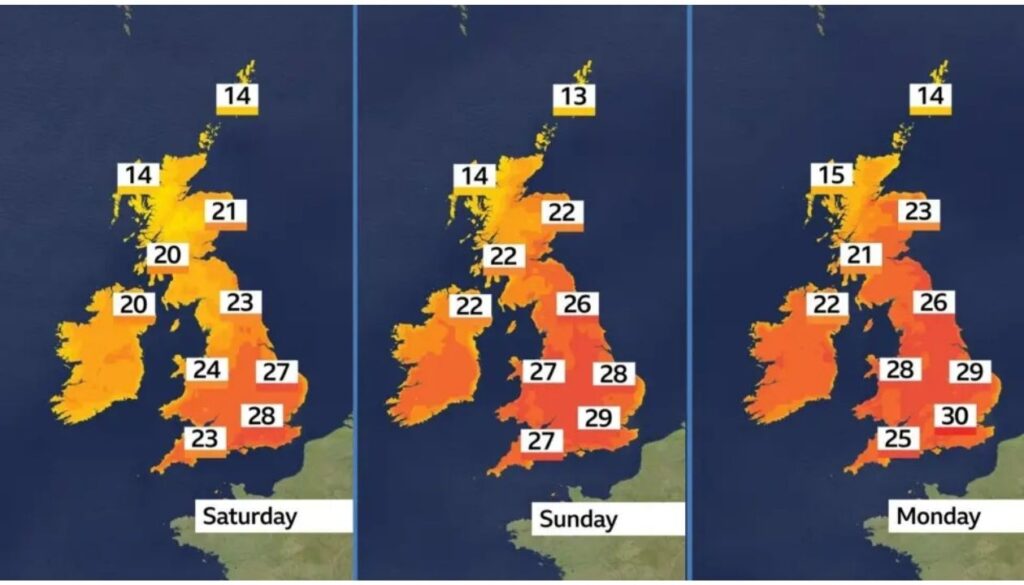
The UKHSA, in partnership with the Met Office, runs a Heat-Health Alert (HHA) system designed to help healthcare professionals, social care providers, and the general public prepare for dangerously high temperatures. The system operates using a tier system:
- Green (Preparedness): No alert is in place, but basic summer planning is advised.
- Yellow (Response): A signal for health and social care sectors to implement their hot weather action plans. The weather is likely to impact those who are particularly vulnerable, such as the elderly, young children, or those with multiple health conditions.
- Amber (Enhanced Response): The heat is likely to affect the wider population and place a significant strain on the health and social care system.
- Red (Emergency): A national emergency where the heat is so severe that even young, healthy individuals are at risk.
During a Yellow Alert, the focus is strictly on protecting the most vulnerable. This is when families and care providers must work closely together.
Why is Hot Weather Dangerous for the Vulnerable?
It is easy to underestimate the physical toll that extreme heat takes on the body. For vulnerable individuals, the body’s natural cooling system is often compromised.
The Risk to Older Adults
- Reduced Physical Regulation: As we age, our bodies do not adjust to sudden temperature changes as effectively. The elderly often produce less sweat, which is the body’s primary mechanism for cooling.
- Diminished Thirst Sensation: Older adults often experience reduced thirst sensation and may already be dehydrated by the time they ask for a drink.
- Medication Interactions: Many common prescription medications—such as diuretics or blood pressure tablets—can alter the body’s ability to regulate heat.
The Risk to Babies and Children
- Faster Core Heating: Babies and young children cannot regulate their body temperature as well as adults. Their core temperature can rise rapidly in a hot room or a warm car.
- Inability to Communicate: Babies and non-verbal children with complex needs cannot tell you when they are overheating or thirsty. Caregivers must be highly attuned to physical signs of distress, such as lethargy, fewer wet nappies, or unusual irritability.
- Dependency: Children rely entirely on their caregivers to manage their environment, clothing, and fluid intake.
Meeting CQC and Ofsted Standards During a Heatwave
Safe care is not just about reacting to problems; it is about proactive prevention. Both the CQC (regulating adult care) and Ofsted (regulating childcare services) mandate that care providers must have robust risk assessments in place for extreme weather.
- CQC Expectations: Under their Single Assessment Framework, the CQC expects adult care providers to maintain safe environments and ensure staff are trained to manage environmental risks. This includes monitoring room temperatures and managing heat-sensitive medications perfectly.
- Ofsted Guidelines: For childcare, Ofsted requires providers to ensure that premises are fit for purpose and that children are kept safe from environmental harm. This means rigorous sun safety protocols, active hydration tracking, and ensuring play areas are suitably shaded and ventilated.
5 Key Actions for Safe Care During a Heatwave
In line with government guidelines, Peach Care Services implements a rigorous hot-weather strategy. If you are caring for a loved one at home, we recommend following these five essential steps:
1. Encourage Regular and Creative Hydration
Do not wait for a vulnerable adult or child to ask for a drink.
- Offer fluids regularly. For adults, provide diluted squash or weak tea. For babies, this may mean offering extra breastmilk or formula feeds, or small sips of cooled, boiled water for babies over six months.
- Provide fluid-rich foods such as melon, cucumber, strawberries, and jelly.
- Keep a lightweight, easy-to-reach water cup available at all times.
2. Keep the Indoor Environment Cool
British homes are famously built to retain heat. To stay safe following a heat-health alert, CQC- and Ofsted-compliant indoor temperature:
- Keep curtains and blinds closed in rooms that catch direct sunlight, particularly between 11:00 AM and 3:00 PM.
- Keep windows closed while the outside temperature is hotter than the inside. Once the air cools in the evening, open windows to create a through-breeze.
- Dress vulnerable adults and children in loose, light-coloured, cotton clothing.
3. Monitor High-Risk Individuals Proactively
During a Yellow heat-health Alert, our care professionals are trained to conduct immediate visual assessments to gauge a person’s comfort level. For children with complex needs, this means actively checking for signs of lethargy or heat rash.
4. Review Care Arrangements and Medications
- Activity: Reschedule physical activities, outdoor play, or physiotherapy to the cooler early mornings or late evenings.
- Medication Storage: Ensure all medications are stored correctly, as some must be kept below 25°C or refrigerated.
- Sun Protection: If a child or adult must go outside, ensure high-factor SPF sunscreen is applied generously, and a wide-brimmed hat is worn.
5. Recognise the Signs of Heat-Related Illness
It is vital to know the difference between heat exhaustion and heatstroke.
Signs of Heat Exhaustion:
- Heavy sweating (though absent in the elderly) and pale, clammy skin.
- A rapid, weak pulse.
- Irritability in children, muscle cramps, dizziness, or vomiting.
Action: Move them to a cool place, encourage them to drink water, and cool their skin with a damp sponge. If they do not improve within 30 minutes, seek medical help.
Signs of Heatstroke (A Medical Emergency):
- A very high body temperature.
- Hot, red, dry skin.
- Confusion, slurred speech, lethargy in children, or loss of consciousness.
Action: Dial 999 immediately. Heatstroke is life-threatening. Cool the person down as quickly as possible using wet towels. Do not give them anything to drink if they are confused or slipping out of consciousness, as they may choke.
The Peach Care Services Commitment to Hot Weather Safety
At Peach Care Services, we do not leave heat-health alerts to chance. When a Yellow Heat-Health Alert is issued, our management team instantly activates our severe weather protocols.
Whether we are supporting an elderly resident or providing specialised childcare, every member of our team is fully trained to meet and exceed CQC and Ofsted standards. By staying informed, following UKHSA guidance, and working proactively, we ensure that the most vulnerable members of our Milton Keynes community remain safe, cool, and comfortable—no matter how high the mercury rises.
If you have any concerns about how an elderly loved one or a child is managing in the heat, or if you would like to discuss our professional care services, please get in touch with our friendly team today.